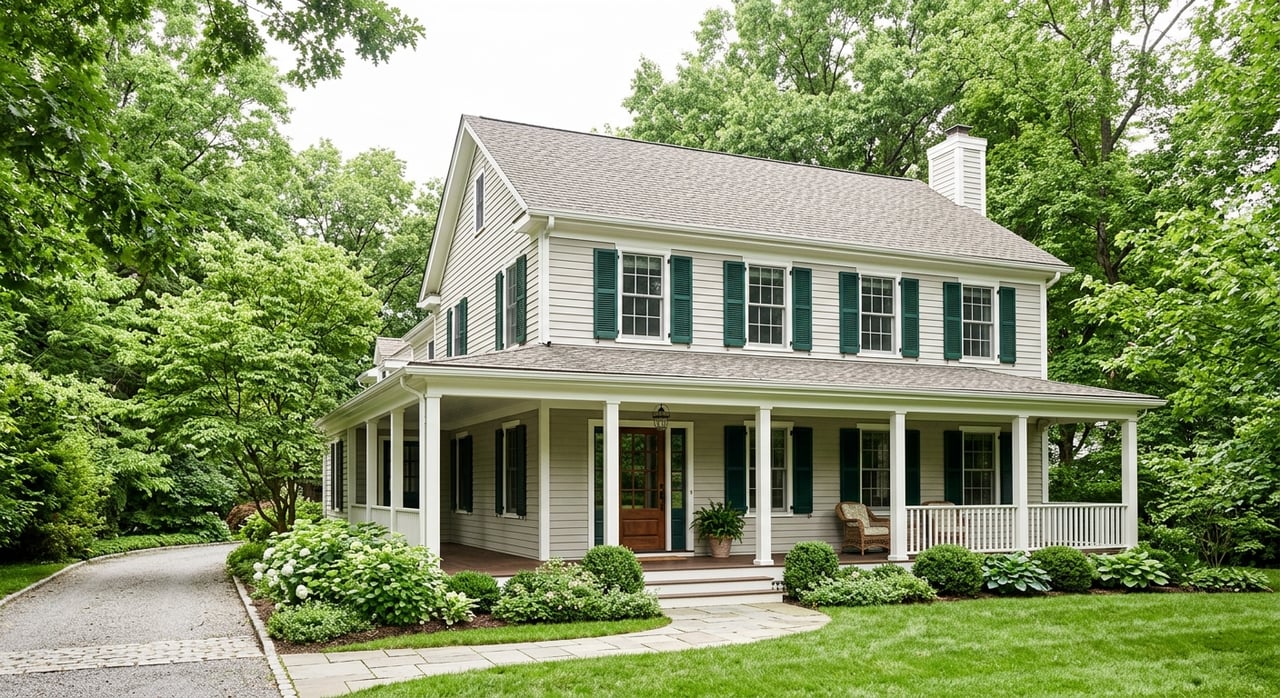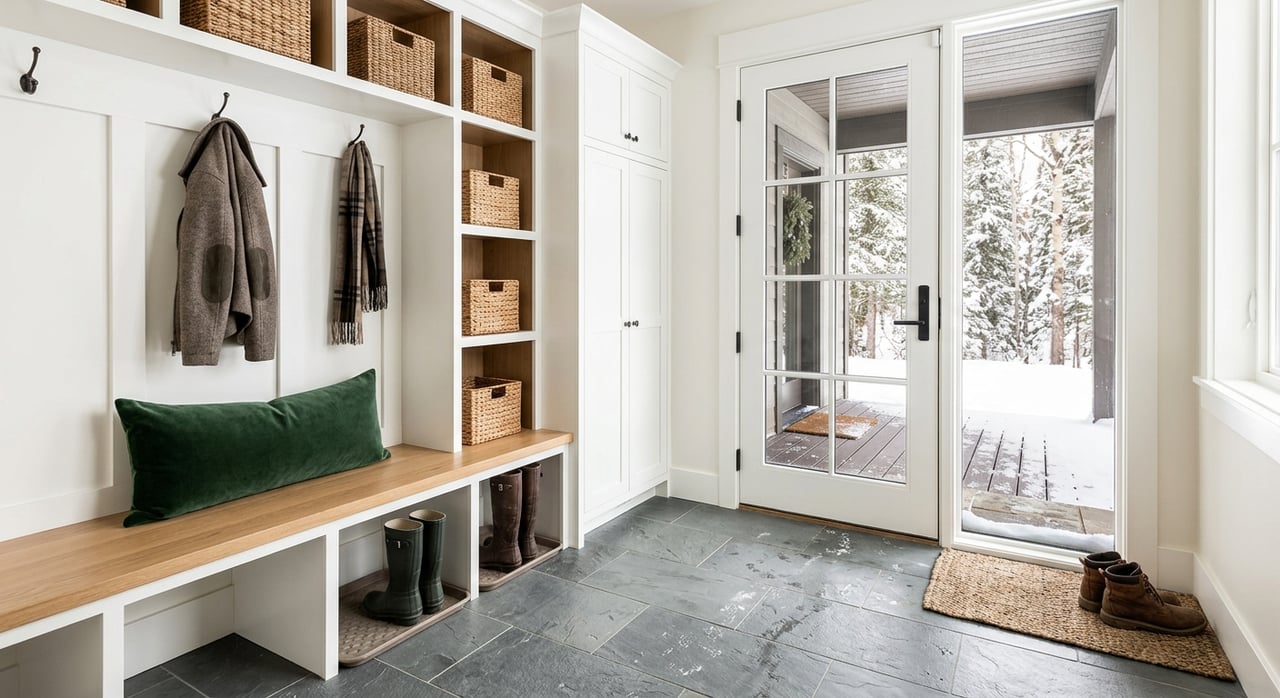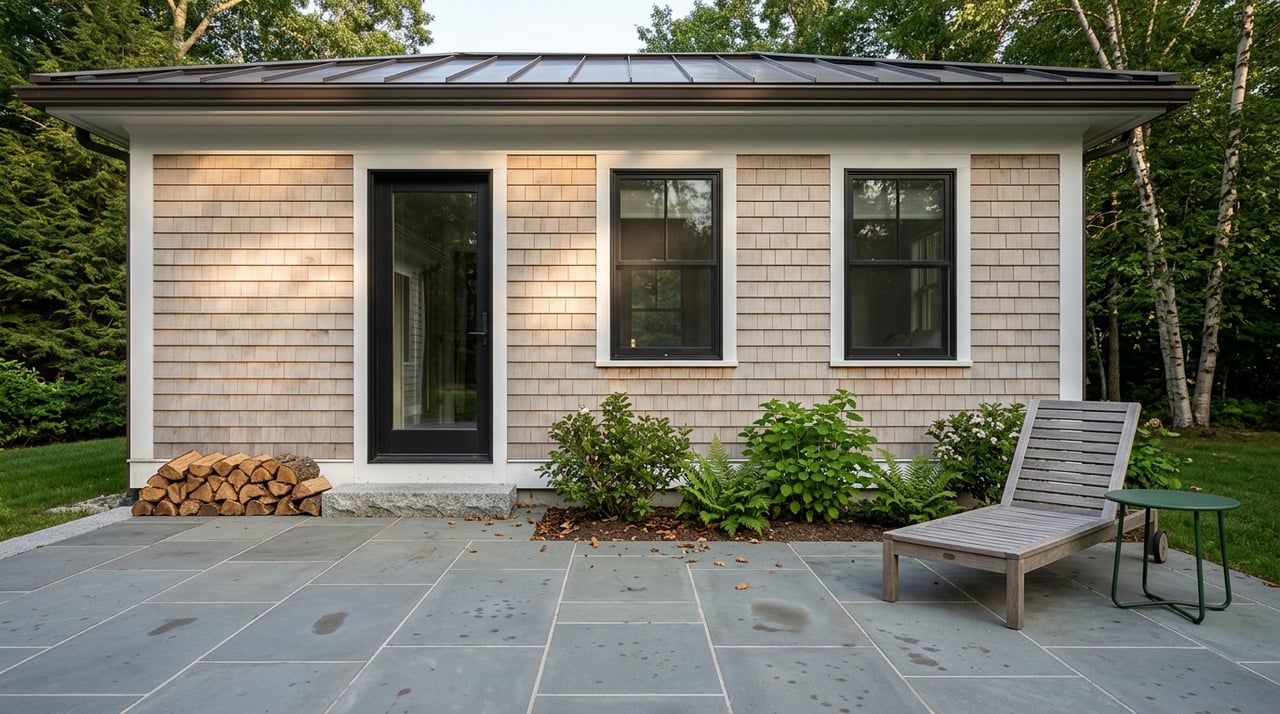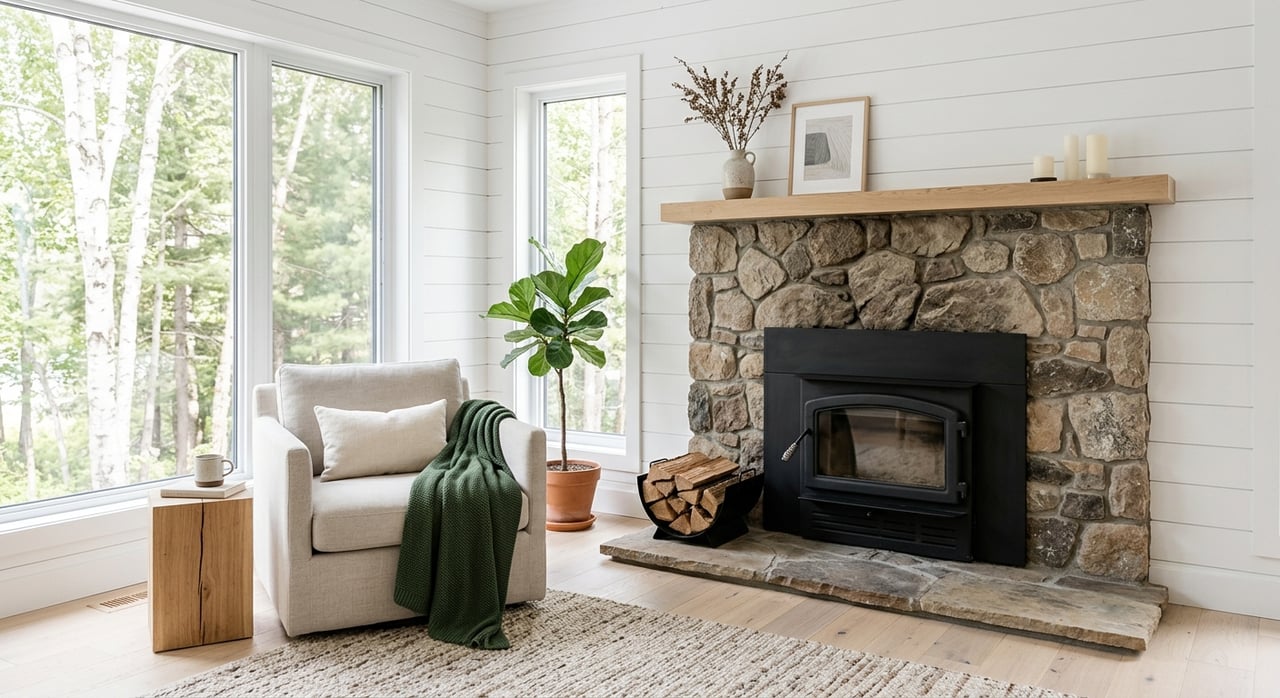
Dreaming about a place where summer mornings start on the water and winter weekends can still feel full and active? If you have been thinking about buying a second home in Lake George, you are not alone. The area offers real four-season appeal, but owning here also comes with rules, upkeep, and planning that are easy to overlook at first. This guide will help you weigh the lifestyle benefits, practical costs, and ownership realities so you can decide if a Lake George second home truly fits your goals. Let’s dive in.
Why Lake George attracts second-home buyers
Lake George stands out because it is not just a summer destination. According to Warren County Tourism, the area offers beaches, cruises, hiking, shopping, dining, and recurring events throughout the year, including Americade, the Adirondack Wine & Food Festival, the Adirondack Nationals Car Show, and Oktoberfest.
That steady stream of activities matters if you want a home you will actually use often. Instead of buying into a market that slows down after one peak season, you are looking at a destination with regular visitor traffic and a broad mix of things to do.
The outdoor setting is also a major draw. The Lake George Park Commission describes Lake George as a high-use recreational lake and one of the clearest large lakes in the world. For many buyers, that combination of scenery and recreation is the main reason the second-home idea starts to feel worthwhile.
What four-season living looks like
One of the biggest questions buyers ask is whether Lake George is truly a year-round retreat. The short answer is yes, but the way you use the home may shift a lot by season.
Nearby climate data from NOAA for Glens Falls Airport shows average January temperatures around 29.7°F for highs and 9.7°F for lows, while July averages are about 81.5°F for highs and 57.8°F for lows. Annual precipitation is 38.21 inches, which reinforces the fact that this is a true four-season climate, not a mild vacation market.
Spring and summer use
Spring tends to be more of a shoulder season, but it still brings activity. Visit Lake George highlights snowmelt-driven whitewater rafting and hiking as part of the seasonal draw.
Summer is the strongest season for most second-home owners. You will find boat rentals, jet skis, paddling, parasailing, waterfront dining, beaches, cruises, and a packed calendar of events. If your vision of second-home ownership centers on lake days and hosting family or friends, summer is when Lake George often delivers the most value.
Fall and winter use
Fall brings a different pace, with foliage and events like Oktoberfest adding to the appeal. For some owners, that shoulder-season atmosphere is part of the charm because it offers another reason to use the home outside of peak summer crowds.
Winter keeps the area active as well. Winter activities in Lake George include skiing, snowmobiling, ice skating, and seasonal events. Some Winter Carnival activities depend on ice conditions, so winter plans can vary from year to year, but the area is still positioned as a cold-weather destination.
Is a second home in Lake George right for you?
A Lake George second home can make a lot of sense if you want a lifestyle property you will use across multiple seasons. It may be especially appealing if you enjoy outdoor recreation, want a getaway that feels distinct from daily life, and value a destination that is active rather than isolated.
It may also fit if you are comfortable managing a home from a distance. That can mean planning for winterization, arranging maintenance, and staying ahead of seasonal tasks instead of expecting a simple lock-and-leave experience.
For some buyers, the better question is not just “Can I afford a second home?” but “Will I use it enough, and am I ready to manage it well?” That is often the dividing line between a rewarding purchase and a stressful one.
Travel access from Northeast cities
Ease of access is a big part of the Lake George appeal. According to Warren County Tourism’s getting here guide, Lake George is about 55 to 60 miles from Albany, 25 to 30 miles from Saratoga Springs, 210 to 220 miles from New York City, and 225 to 230 miles from Boston.
The same source notes that the region is reached by I-87, Albany International Airport is about 50 miles south, Amtrak stops in Fort Edward about 20 minutes away, and regional bus service is also available. For many Northeast buyers, that makes weekend use realistic, especially from the Capital Region and nearby parts of Upstate New York.
If you are coming from farther away, travel time still may work well for longer stays or extended holiday weekends. You will just want to factor in weather, summer traffic, and peak event periods when deciding how often you are likely to use the property.
Rental income: possible, but regulated
Many second-home buyers ask whether they can rent the property to help offset costs. In Lake George, the answer may be yes, but you need to understand the local rules before you build that into your budget.
If the home is in the Town of Lake George and will be rented for stays of 30 days or less, the property generally needs a residential rental permit under the town code. That permit must be renewed annually, and the rules address issues like parking, trash, septic, safety, occupancy, emergency contacts, and on-site documentation.
Zoning also matters. Some zoning districts prohibit short-term residential rentals altogether, so buyers should confirm what is allowed for a specific property before assuming it can be used as an income-producing asset.
On top of town rules, Warren County requires a 4% occupancy tax on short-term rentals of 30 days or less. Owners must register with the county Treasurer even if they have already completed the town process.
Questions to ask before buying for rental use
- Is the property in a zoning district that allows short-term rentals?
- What permit steps apply through the Town of Lake George?
- What occupancy tax registration is required through Warren County?
- Who will handle guest communication, cleaning, and emergency issues when you are away?
- Does the property have parking, septic capacity, and a setup that supports compliant rental use?
If rental income is part of your plan, it is smart to treat compliance as part of the investment, not an afterthought.
Waterfront ownership comes with extra layers
Waterfront homes can be especially appealing, but they also come with more oversight and maintenance than many non-waterfront properties. That does not make them a bad choice. It just means you should go in with clear expectations.
The Lake George Park Commission dock and mooring rules require permits and annual registration for new or modified docks and moorings. If boating is central to your lifestyle, these details matter early in the buying process.
There are also operational requirements tied to lake use. Trailered boats launched on Lake George from May 1 through October 31 must be inspected, and wastewater systems in the Lake George basin have pumping requirements based on the applicable inspection program, with records retained by the landowner, as outlined in the town code.
In plain terms, a waterfront second home often needs more active oversight. That can include dock planning, septic records, boat inspection logistics, and regular property care tied to weather and water exposure.
Budgeting beyond the purchase price
When buyers think about a second home, they often focus first on the sale price and monthly carrying costs. In Lake George, it is just as important to budget for ownership logistics.
A true second home usually does not qualify for New York’s STAR property tax benefit because STAR requires the property to be your primary residence. That can affect your long-term cost calculations if you are comparing this purchase to a primary-home scenario.
You should also think through recurring needs like seasonal opening and closing, snow management, repairs, landscaping, utility monitoring, and local help if you live out of the area. In many cases, a Lake George second home is best viewed as a managed asset rather than a fully hands-off retreat.
A simple decision framework
If you are trying to decide whether a second home in Lake George is right for you, use this quick framework.
It may be a good fit if you:
- Want a four-season getaway with strong summer use and year-round activities
- Plan to use the property often enough to justify the carrying costs
- Are comfortable managing maintenance and seasonal care
- Understand the rules if short-term rental income is part of your plan
- Value convenient access from Albany, Saratoga Springs, New York City, or Boston
You may want to pause if you:
- Want a completely hands-off vacation property
- Expect rental income without checking zoning and permit requirements first
- Prefer a market with less seasonality and fewer weather-related ownership tasks
- Are not prepared for the extra oversight that can come with waterfront ownership
The right answer depends on how you plan to use the home, how often you will be here, and how much management you are willing to take on.
Final thoughts on Lake George second homes
Lake George offers a lot to love if you want a second home with real lifestyle value. You get a destination known for lake access, seasonal events, outdoor recreation, and practical reach from major Northeast population centers.
At the same time, successful ownership here usually comes down to planning. If you understand the rental rules, budget honestly for upkeep, and match the property to the way you actually live, a second home in Lake George can be both enjoyable and sustainable.
If you are thinking about buying in Lake George and want calm, local guidance on waterfront nuances, second-home considerations, or remote buying logistics, Julie Snyder can help you explore your options with clarity and confidence.
FAQs
Is Lake George a good place for a year-round second home?
- Yes. Lake George offers summer lake activities, fall foliage, spring recreation, and winter events and sports, making it a true four-season destination.
Can you rent out a second home in Lake George?
- Possibly, but short-term rentals in the Town of Lake George may require a permit, must follow local rules, and are also subject to Warren County occupancy tax requirements.
Do Lake George second homes qualify for the STAR tax benefit?
- Usually no. New York’s STAR benefit generally applies only to a primary residence, not a true second home.
Is owning a waterfront home in Lake George more complicated?
- Often yes. Waterfront ownership can involve added dock and mooring rules, boat inspection requirements, and wastewater system obligations.
How far is Lake George from New York City and Boston?
- According to Warren County Tourism, Lake George is about 210 to 220 miles from New York City and about 225 to 230 miles from Boston.
What should you check before buying a Lake George home for short-term rentals?
- You should confirm zoning, town permit requirements, county tax registration, and whether the property setup supports compliant rental use.