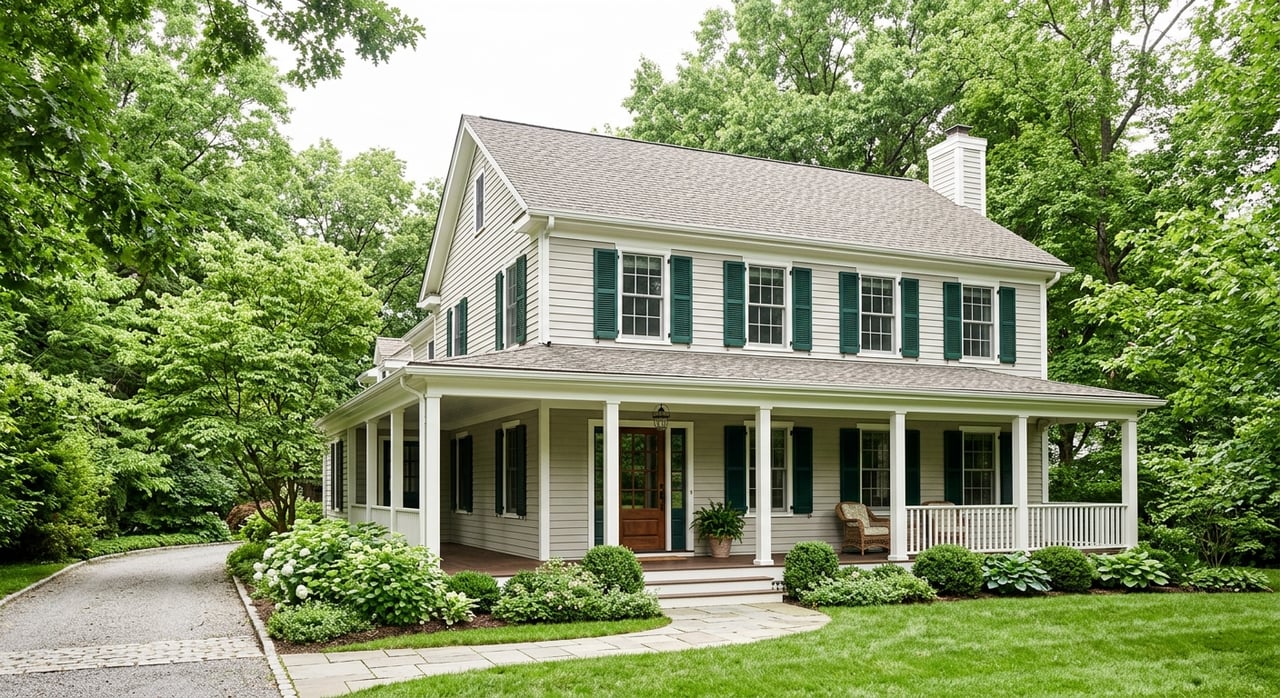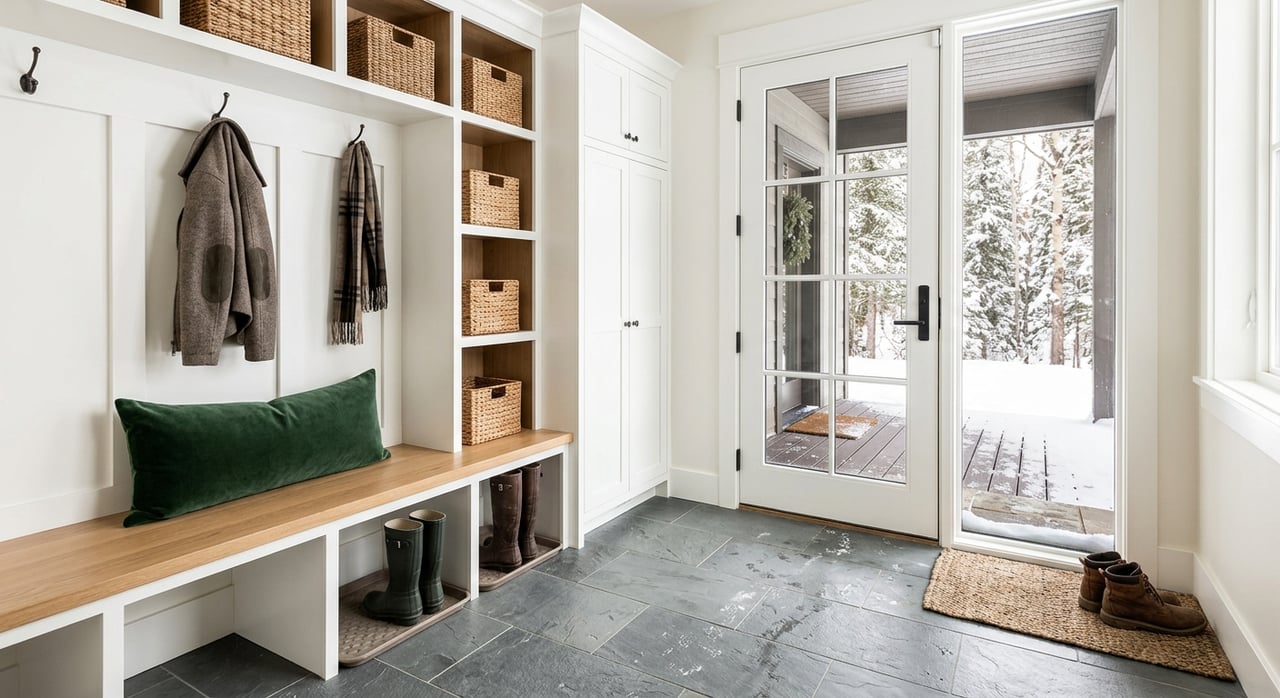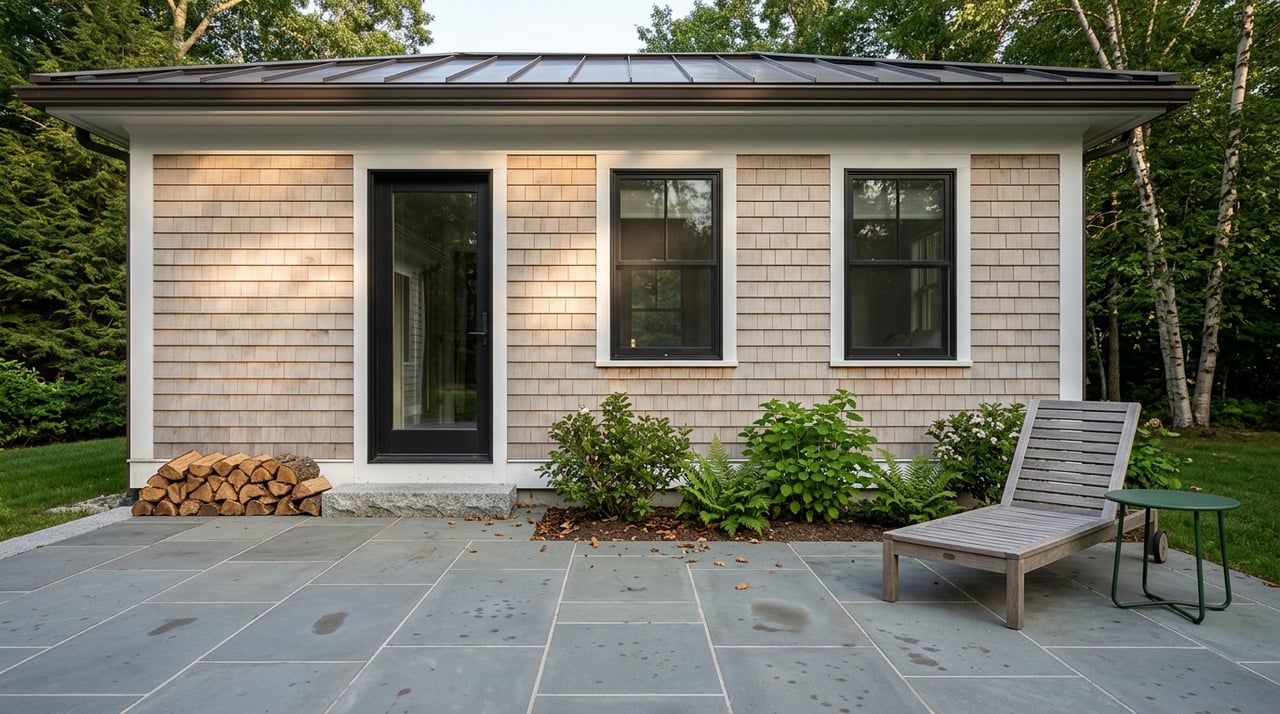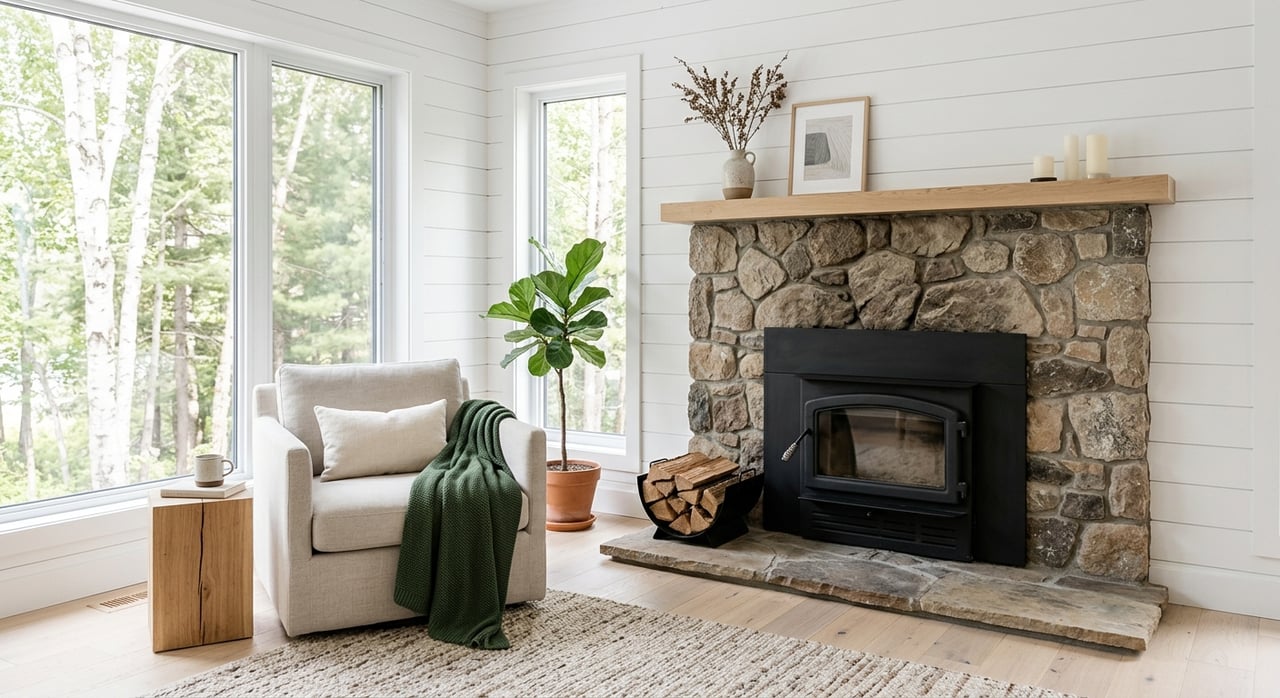
Thinking about selling your Queensbury home and want to feel confident from day one? You’re not alone. With tight inventory across the Capital Region, well-prepped homes still attract strong interest, but the details matter. In this guide, you’ll get a clear, local plan for timing, prep, legal must-knows, and simple upgrades that help you net more without over-renovating. Let’s dive in.
Queensbury market context and timing
Inventory across Warren County and nearby Capital Region markets has been relatively tight in recent years, which keeps motivated buyers active. Pricing and days on market vary by neighborhood and price band, so your best starting point is a current Comparative Market Analysis within 30 to 90 days of listing.
As for timing, buyer activity often peaks in late spring and again in early fall. Families aiming for summer closings tend to shop in spring, while early fall buyers value fresh curb appeal and flexible move dates. That said, well-presented listings can succeed year-round. If you list in winter, plan ahead with strong photography and safe, clear access.
A 12-week prep plan for a confident sale
Use this timeline as a guide. If you need contractors or permits, plan 8 to 12 weeks. For cosmetic updates and staging, 3 to 6 weeks is typical. Final cleaning and photos take 1 to 2 weeks.
8–12 weeks out: set your strategy
- Choose your listing window. Late April to May and September to October are commonly strong, with winter viable if presentation is top-notch.
- Request a CMA and pricing strategy discussion. Decide whether to price to spark interest or list higher and adjust if needed.
- Consider a pre-listing inspection, especially for older homes or rural properties with private systems. It can reveal issues early so you can repair, disclose, or price accordingly.
- Gather documents: permits, warranties, recent utility averages, HVAC or boiler service records, septic pump or inspection reports, well water test results, and any surveys or easements.
High-impact repairs and maintenance
Prioritize safety and visible value before tackling cosmetics.
- Safety and systems first. Fix GFCI problems, inoperable smoke and carbon-monoxide detectors, water leaks, and any visible electrical hazards. Address active moisture or mold and provide repair receipts.
- Roof and water management. Repair leaks, confirm gutters and downspouts are working, and tidy any interior signs of old water spots. If your property uses a septic system, pump if due and keep the report on hand. The New York Property Condition Disclosure Statement asks for sewage system details and maintenance history, so be ready with documentation. Review the current Property Condition Disclosure Statement for what buyers will expect.
- Cosmetic refreshes that pay off. Apply fresh neutral paint, repair trim, fix sticky doors and windows, tighten loose railings, and update lighting where needed. Small, consistent improvements often outperform big remodels on ROI when you’re close to listing.
3–4 weeks out: stage and photograph
- Declutter and depersonalize. Pack nonessentials so rooms look larger and buyers can imagine themselves in the space.
- Deep clean. Windows, baseboards, appliances, grout, and flooring are musts.
- Focus your staging. Living room, primary bedroom, and kitchen typically influence buyers most. According to the National Association of REALTORS®, staging can reduce time on market and support stronger offers. See highlights from the NAR report on staging.
- Professional photography. Schedule daytime images and consider a twilight set. For vacant homes, virtual staging can be cost-effective. If used, clearly disclose that images are virtually staged.
Final 1–7 days: show-ready routine
- Final detail clean, carpet cleaning, and windows.
- Set comfortable temperatures and maintain even, bright lighting.
- Create a one-page fact sheet with recent tax info, ages of major systems, septic or well notes, and a quick permit and repair history. You can pull tax-rate resources from the Town’s site and include your most recent bill on request. The Town maintains helpful links on tax rates and resources.
Curb appeal by season in Queensbury
Queensbury’s average last frost often falls around May 1–10, and the first fall frost typically arrives around October 1–10. Plan your planting and mulching around these windows so your yard shines for listing photos. You can review local climate normals on PlantMaps.
Spring and early summer tasks
- Clean beds, remove winter debris, and edge the lawn.
- Add fresh mulch and replace any dead shrubs or perennials.
- Power-wash siding and walkways, and paint touch-ups where needed.
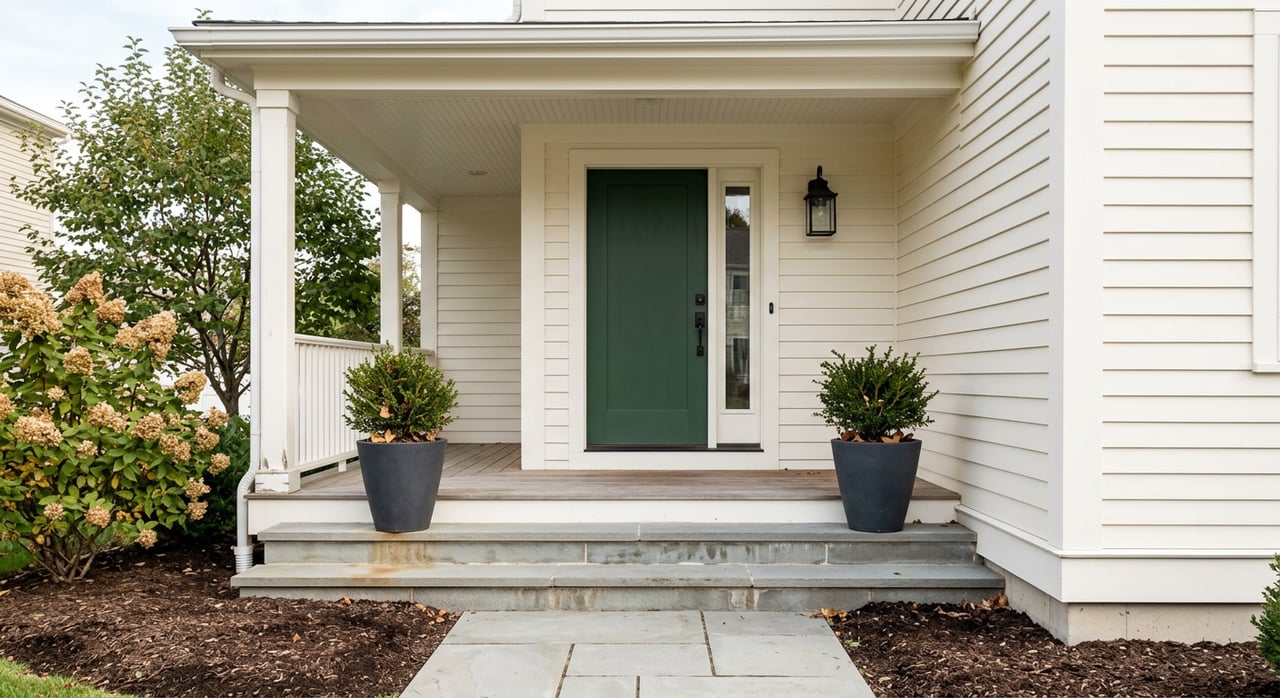
- Add seasonal containers at the entry to brighten photos and in-person showings.
Late summer and fall tasks
- Rake leaves regularly and refresh mulch where thin.
- Confirm gutters are clear and downspouts direct water away from the foundation.
- Highlight low-maintenance landscaping and any fall color with tidy trimming.
Winter listing game plan
- Keep driveways and walkways clear with a consistent plow and salt or sand plan.
- Maintain safe, well-lit access to the front door for all showings.
- Use warm interior staging with layered lighting, rugs, and simple throws.
- For roofs and attics, stay ahead of ice dams. Long-term prevention includes attic air sealing, added insulation, and balanced ventilation. Short-term actions include careful roof-raking of lower slopes and clearing gutters when possible. See the University of Minnesota Extension’s guidance on dealing with and preventing ice dams. Keep receipts for any professional mitigation work.
Legal and municipal must-knows for Queensbury sellers
New York Property Condition Disclosure Statement
New York requires most sellers of 1–4 family homes to deliver a Property Condition Disclosure Statement to buyers before they sign a binding contract. The form was amended effective March 20, 2024, and a revised version must be used beginning July 1, 2025. It includes questions on your sewage system type, age, last pump date, and known material defects, and it references septic operation and maintenance guidance. Review the current DOS PCDS form so you can gather accurate records and answer based on your actual knowledge.
If you have a private well or septic, collect pump or inspection reports and water test results in advance. Clear documentation reduces buyer uncertainty and helps keep negotiations smooth.
Permits, COs, and tax info
Confirm that any past renovations had proper permits and final sign-offs. If you plan exterior work close to listing, ask if permits are needed. The Town of Queensbury’s Assessment and Building & Codes departments at Town Hall, 742 Bay Rd, are your starting points for assessment records, permit guidance, and tax-rate resources. You can find links on tax rates and resources. Keep copies of your latest tax bill and any exemption details handy for buyers upon request.
Recording and privacy during showings
New York is a one-party consent state for recording conversations, but recording by a party who is not present can be illegal eavesdropping. To reduce risk, avoid unattended audio recording during showings and open houses. If you use any surveillance tools, post clear signage and consult your agent and, if needed, your attorney or broker for the proper disclosures. You can read a plain-language overview of New York rules from the Digital Media Law Project.
Pricing, showings, and negotiation prep
- Pricing approach. Use a current CMA that reflects Queensbury micro-markets and school-district boundaries to guide your list price. Decide on your opening strategy and set a 10–14 day review window to adjust based on showings and feedback.
- Showings and access. Be flexible with evening and weekend availability. Keep the home show-ready, secure valuables, and follow your agent’s scheduling system to reduce back-and-forth.
- Expect inspection requests. Buyers often focus on roofs, basements, HVAC, electrical, plumbing, and older systems like oil boilers or septic. Having recent service records and a few contractor estimates for small items helps you respond quickly and keep momentum.
Room-by-room quick checklist
A few hours in each space can make a real difference.
Kitchen
- Clear counters and store small appliances.
- Deep clean the oven, range hood, fridge, and sink.
- Tighten or replace hardware, and fix any sticking drawers or doors.
Bathrooms
- Recaulk tub and shower, replace any cracked grout.
- Fix running toilets and dripping faucets.
- Replace shower curtains or liners; keep towels fresh and neutral.
Living spaces and bedrooms
- Declutter surfaces and thin out furniture to improve flow.
- Add neutral bedding and pillows, and ensure rugs fit the space.
- Update light bulbs to warm, consistent color temperatures.
Basement
- Run a dehumidifier and keep storage off the floor.
- Address visible water stains and provide any waterproofing invoices.
- Brighten with lighting and light-colored paint where practical.
Attic
- Make insulation and ventilation visible and tidy.
- Seal obvious air leaks around hatches and penetrations.
- Note any recent improvements for your property fact sheet.
Your Queensbury sale timeline at a glance
- Weeks 8–12: Select agent, set target list window, discuss pricing strategy, gather permits and records, consider pre-list inspection, schedule any needed contractors.
- Weeks 3–6: Complete safety fixes and high-impact cosmetic updates; confirm staging plan; book photographer.
- Weeks 2–3: Declutter and deep clean; final touch-ups; exterior spruce-up based on season.
- Week 1: Final clean and windows; assemble fact sheet and documents; review photos and listing copy.
- List week: Go live, accommodate showings, and review feedback at day 10–14.
Ready to sell with confidence?
Selling well is about preparation, clear pricing, and a calm plan for showings and negotiations. If you want a step-by-step approach tailored to your home, I’m here to help with local data, trusted vendors, and a guided process from valuation to closing. Connect with Julie Snyder to walk your home, set the right timeline, and launch with confidence.
FAQs
What should Queensbury sellers fix before listing?
- Start with safety and system issues like GFCI outlets, smoke and carbon-monoxide detectors, leaks, and roof repairs. Then handle cosmetic updates such as neutral paint and lighting.
When is the best time to list a home in Queensbury?
- Late spring and early fall often see strong buyer activity. With the right prep and photos, you can list successfully any time of year, including winter.
Do I need to complete New York’s Property Condition Disclosure Statement?
- Most sellers of 1–4 family homes do. Review the current state form and answer based on your actual knowledge. Gather septic, well, and system records in advance.
How can I make my winter listing more appealing?
- Keep access clear and safe, use warm interior staging, and include high-quality photos from better weather. Take steps to prevent ice dams and document any roof or attic work.
What documents do buyers ask for in Queensbury?
- Recent tax bill, any exemptions, permits and final sign-offs, service records for HVAC/boiler, septic pump or inspection reports, well water tests, and ages of major systems.
Is a pre-listing inspection worth it?
- It can be helpful for older homes or properties with private systems. It lets you decide whether to repair, disclose, or price accordingly, which may reduce renegotiation later.